Your Personal AI Agent: The Silent Threat of Dormant Access and the Rise of 'Human-in-the-Loop' Authorization

Your Personal AI Agent: The Silent Threat of Dormant Access and the Rise of 'Human-in-the-Loop' Authorization
Personal AI agents are rapidly becoming integral to our digital lives, promising unparalleled convenience by automating tasks, managing communications, and even handling sensitive financial operations. However, beneath this surface of efficiency lies a growing, often overlooked, security concern: the persistent, broad access these agents retain, even when dormant or inactive.
The Silent Threat of Dormant Access
Recent industry reports have cast a spotlight on the significant security risks posed by personal AI agents that, despite being unused for extended periods, continue to hold extensive credentials and connections. The 2026 Autonomous Agents Threat Report by Arrakis Security highlights a stark reality: 76% of active agents haven't executed a task in 60 days, yet their credentials remain active, and their triggers are still live. A concerning 44% haven't been active in 180 days, and nearly a quarter (24%) of these dormant agents could be reactivated by an unsigned webhook from an external source.
This phenomenon creates what cybersecurity experts term "persistent privilege," where an agent retains full authorization long after its active utility has ended. This can be more dangerous for an agent than for a person, as agents can discover and reuse stale permissions at machine speed, turning forgotten access into active exposure. Unlike human sessions with natural interruption points, an autonomous agent can chain decisions quickly, reuse the same authority repeatedly, and amplify a small mistake across many calls before anyone notices.
Why "Always-On" Doesn't Mean "Always-Acting"
The promise of a personal AI agent, like those run on myHermy, is its always-on availability. This allows it to respond to commands and execute tasks whenever needed. However, "always-on" should not equate to "always-acting" or "always-authorized." The core issue is that while a human might stop working, an AI agent's access often doesn't "log out." If an employee leaves, their access is typically revoked promptly. In contrast, when an AI agent ceases to be used, its permissions and connections often persist indefinitely because in many organizations, no clear ownership or lifecycle management for these agents exists.
This lack of lifecycle management for agent credentials creates a significant attack surface. An agent with broad access to your ChatGPT Plus, Claude, GitHub Copilot, or Grok subscription, email, messaging apps, and other services could become a vector for data exfiltration, unauthorized actions, or policy violations if compromised or simply misconfigured. Over-permissioning, where an agent is granted more access than it needs for its specific task, is a common issue that amplifies these risks.
The Urgent Call for Human Oversight
To counter these burgeoning risks, the cybersecurity industry is making an urgent call for enhanced human oversight. AI agents in IT operations, for example, require clear boundaries and human oversight to reduce operational and security risks, including controlling access and requiring approval for sensitive actions. Human oversight is not a one-time design decision but a continuous control system that must be exercised, measured, and repaired.
The blend of AI's speed and scale with human judgment is becoming paramount. While AI systems excel at detecting and analyzing vast amounts of data, human input remains invaluable for business context, accountability, and authorization, especially for high-impact actions.
Human-in-the-Loop Authorization: A New Standard
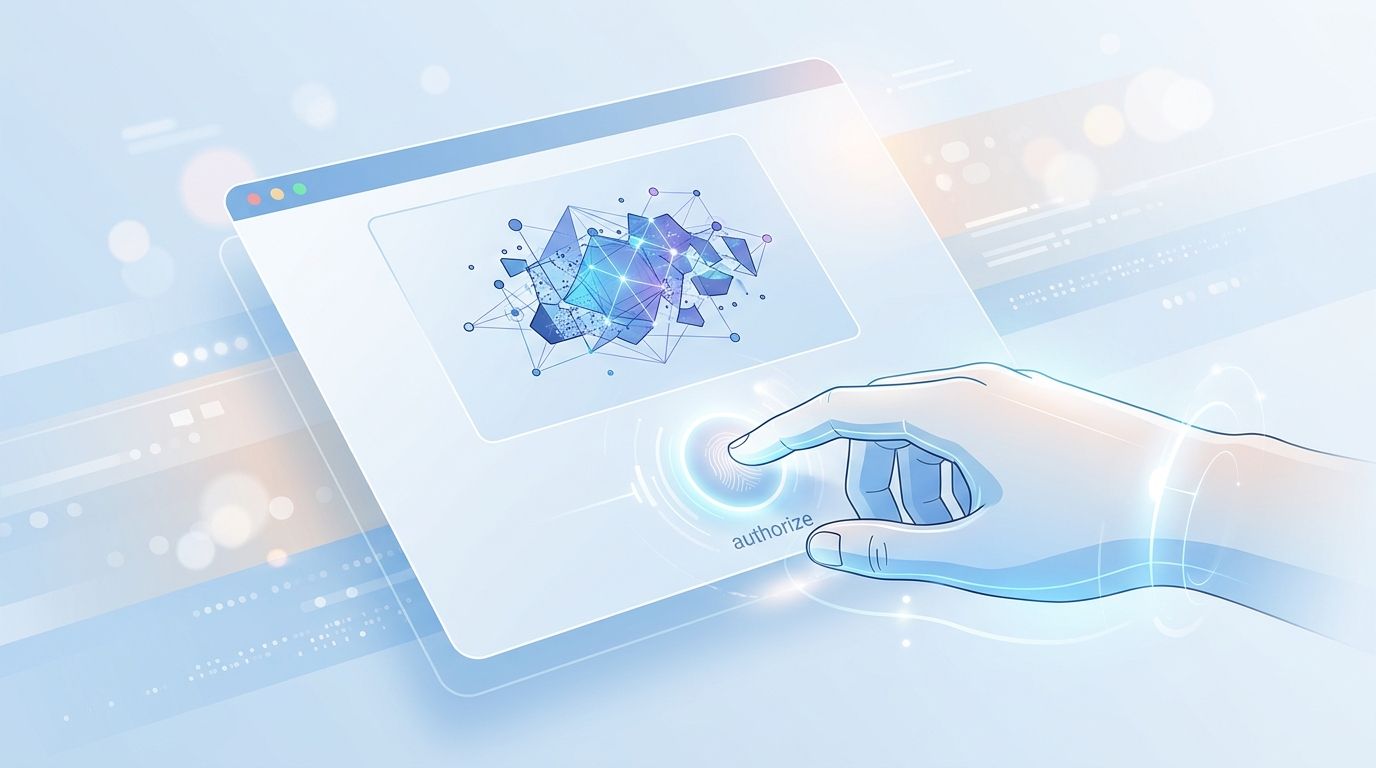
The emerging trend of 'Human Authorization Services' and 'human-in-the-loop' (HITL) authorization directly addresses this need. Human-in-the-loop authorization is a control pattern where a verified person must approve a specific action before an AI workflow can proceed. It shifts governance from a blanket account login to action-level intent, which is critical when autonomous systems can perform high-consequence tasks quickly.
For personal AI agents, this means incorporating approval gates at critical decision points. An agent might draft an email, execute a specific command, or interact with a financial service, but a human must review and confirm that exact step before it proceeds. This ensures that autonomy remains useful without allowing a single bad decision or compromise to lead to broad damage.
Introducing Human Authorization Services
Human Authorization Services formalize these HITL principles. They provide a structured framework for verifiable human input within AI-driven workflows. Key components often include:
- Verifiable Human Identity: Every human interacting with the system for authorization must be authenticated, authorized, and traceable, preventing anonymous reviews.
- Scoped Privileges for Reviewers: Just as AI agents should operate with least privilege, human reviewers should only be able to intervene in contexts where they are authorized.
- Auditable Interventions: Every human approval, denial, or modification must be logged, providing critical metadata for compliance, incident response, and continuous improvement of the AI model.
- Policy-Based Approvals: Defining clear policies for which actions require human review and at what thresholds of risk or impact.
This approach allows personal AI agents to maintain their efficiency for routine tasks while ensuring that sensitive or irreversible actions are subjected to the scrutiny of human judgment.
myHermy: Empowering Your Control
This need for enhanced control and human oversight aligns perfectly with the myHermy philosophy. By providing a dedicated VPS with full root/SSH access, myHermy gives you complete data ownership and granular control over your personal AI agent's environment. You're not simply a user; you're the administrator.
This architecture enables you to implement robust security measures:
- Fine-grained Access Control: You can configure your agent's access permissions to connected services (ChatGPT Plus, Claude, etc.) at a fundamental level, ensuring the principle of least privilege is applied.
- Customizable Authorization Workflows: With full root access, you have the flexibility to integrate or build your own human-in-the-loop authorization mechanisms for critical actions. Imagine a script that pauses your agent and sends you a notification on Telegram or WhatsApp for explicit approval before it makes a purchase or posts to social media.
- Transparency and Auditability: Complete control over your VPS means you control logging and monitoring, giving you unparalleled transparency into your agent's activities and the ability to audit its actions thoroughly.
- Secure Credential Management: You decide how your agent stores and accesses credentials, allowing you to implement best practices for secure secret management rather than relying on a black-box solution.
myHermy empowers you to move beyond trusting a third-party black box, giving you the tools to actively participate in securing your personal AI agent.
Practical Takeaways for Your Personal AI
As personal AI agents become more sophisticated, vigilance over their access and authorization mechanisms is not just good practice—it's essential. Here are practical steps to consider:
- Audit Agent Permissions Regularly: Periodically review what services and data your AI agent has access to. If an agent is dormant or its role changes, revoke unnecessary permissions.
- Implement Least Privilege: Ensure your agent only has the minimum access required to perform its current tasks. Avoid granting broad, overarching permissions.
- Prioritize Human-in-the-Loop for Sensitive Actions: For any action involving financial transactions, irreversible data changes, or public communications, configure your agent to require explicit human approval.
- Use Dedicated Agent Identities: Where possible, avoid having your agent use your personal, full-privilege credentials. Instead, establish separate, scoped identities for your agents.
- Leverage Platform Controls: If using a platform like myHermy, take advantage of the root access and customization options to build in your own security checkpoints and oversight mechanisms.
- Stay Informed: Keep abreast of emerging AI security best practices and reports to adapt your approach as the technology evolves.
The rise of personal AI agents offers incredible potential, but it also demands a proactive approach to security. By understanding the risks of dormant access and embracing human-in-the-loop authorization, we can ensure these powerful tools remain productive allies, not silent threats.