From Co-Pilot to Co-Worker: Redefining Your Relationship with Autonomous AI Agents
From Co-Pilot to Co-Worker: Redefining Your Relationship with Autonomous AI Agents
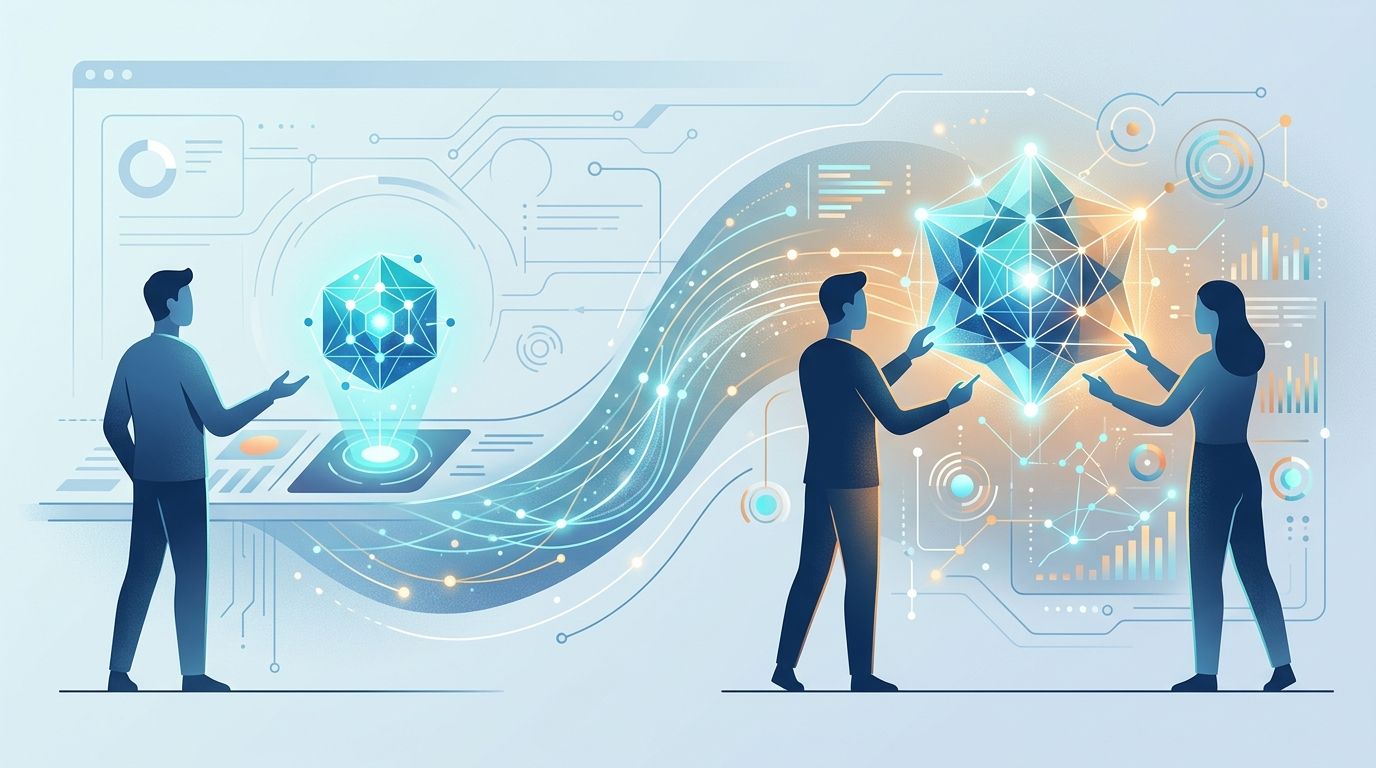
The landscape of artificial intelligence is undergoing a profound transformation, shifting our interaction with AI from merely assistive "co-pilot" tools to increasingly autonomous "co-worker" entities. This evolution is redefining how individuals and organizations approach productivity, task management, and digital collaboration. Understanding this shift is crucial for maximizing the benefits of these advanced AI systems.
The Defining Shift: Co-Pilot vs. Co-Worker
For years, AI has served primarily as a co-pilot, offering suggestions, automating routine tasks, and enhancing human capabilities, always requiring constant human oversight and approval for actions. Think of tools like GitHub Copilot suggesting code completions or Microsoft 365 Copilot assisting with email drafts; they augment human performance but don't replace human decision-making at each step.
However, recent advancements in generative AI and "agentic AI" technologies have paved the way for a new class of AI: the autonomous co-worker. These systems operate with a higher degree of independence, capable of planning, executing, and monitoring complex, multi-step workflows without continuous human intervention. Major tech companies like OpenAI, Google DeepMind, and Microsoft are heavily investing in these agentic AI systems, pushing the boundaries of what AI can achieve autonomously. Unlike co-pilots, AI co-workers can analyze data, make decisions within defined parameters, and perform tasks from start to finish, reporting back upon completion.
Understanding the New Dynamic: What Autonomous Agents Can Do
Autonomous AI agents are not just glorified chatbots; they are intelligent systems designed to independently perform tasks, make decisions, interact with digital environments, and achieve goals with minimal human input. Their capabilities extend to:
- Long-Horizon Task Execution: Modern AI agents can maintain focus, reasoning, and task continuity for extended periods, executing multi-step workflows autonomously.
- Tool Integration: They can effectively use external tools, access APIs and databases, and interact with web and application UIs, just as a human would, to gather information and execute tasks.
- Learning and Adaptation: These agents learn from feedback and past experiences, continuously improving their decision-making processes and adapting to new situations.
- Complex Workflow Management: Examples include writing production-ready code, running tests, refactoring applications, managing project timelines, handling end-to-end customer support requests, scheduling, and personalizing educational paths.
This evolution means AI can now function more like a junior employee or a dedicated team member, proactively managing complex aspects of workflows that traditionally required multiple human touchpoints.
Effectively Delegating Complex Tasks to Your AI Co-Worker
Delegating to an autonomous AI agent requires a thoughtful approach, similar to instructing a new human team member. To unlock their full potential, consider these practical steps:
- Define Clear Objectives: Before assigning any task, precisely define what you want the agent to achieve. Vague instructions can lead to poor outcomes. A specific goal makes it easier for the agent to work effectively and for you to measure success.
- Provide Context and Constraints: AI agents perform best when they understand their operating environment. Supply relevant input (data sources, documents, templates) and define boundaries. Specify timelines, desired tone, style, and any compliance or privacy rules the agent must respect. This helps the agent make smarter decisions and ensures outputs align with your expectations.
- Leverage Multi-Agent Systems: For highly complex goals, consider breaking them into sub-tasks and assigning them to specialized "worker agents" overseen by a primary orchestrating agent. This division of labor enhances accuracy and fault tolerance. Define clear task specifications, inputs/outputs, quality checks, and escalation rules for each sub-agent.
Building Trust in Your Autonomous AI Agent
Trust is paramount when ceding decision-making power to an AI system. For your personal AI co-worker to be truly effective, you need to cultivate confidence in its actions.
- Transparency and Explainability: Users need to understand how an AI agent arrives at its decisions. Systems should be designed to show how decisions are made, what is prioritized, and what trade-offs are involved.
- Human-in-the-Loop Oversight: Even with increasing autonomy, maintaining a "human in the loop" for oversight is critical, especially in high-risk scenarios. Knowing that a responsible person can intervene if needed builds significant trust.
- Consistency and Memory: Like any trusted partner, an AI agent feels more dependable when it demonstrates memory and context across interactions. Consistency in behavior and recalling past preferences helps build confidence.
- Start Small, Build Gradually: Begin by delegating low-risk tasks and gradually expand reliance as you gain positive experiences. Each successful interaction strengthens trust, transforming the AI from an experimental tool into an essential partner.
Implementing Oversight and Control Mechanisms
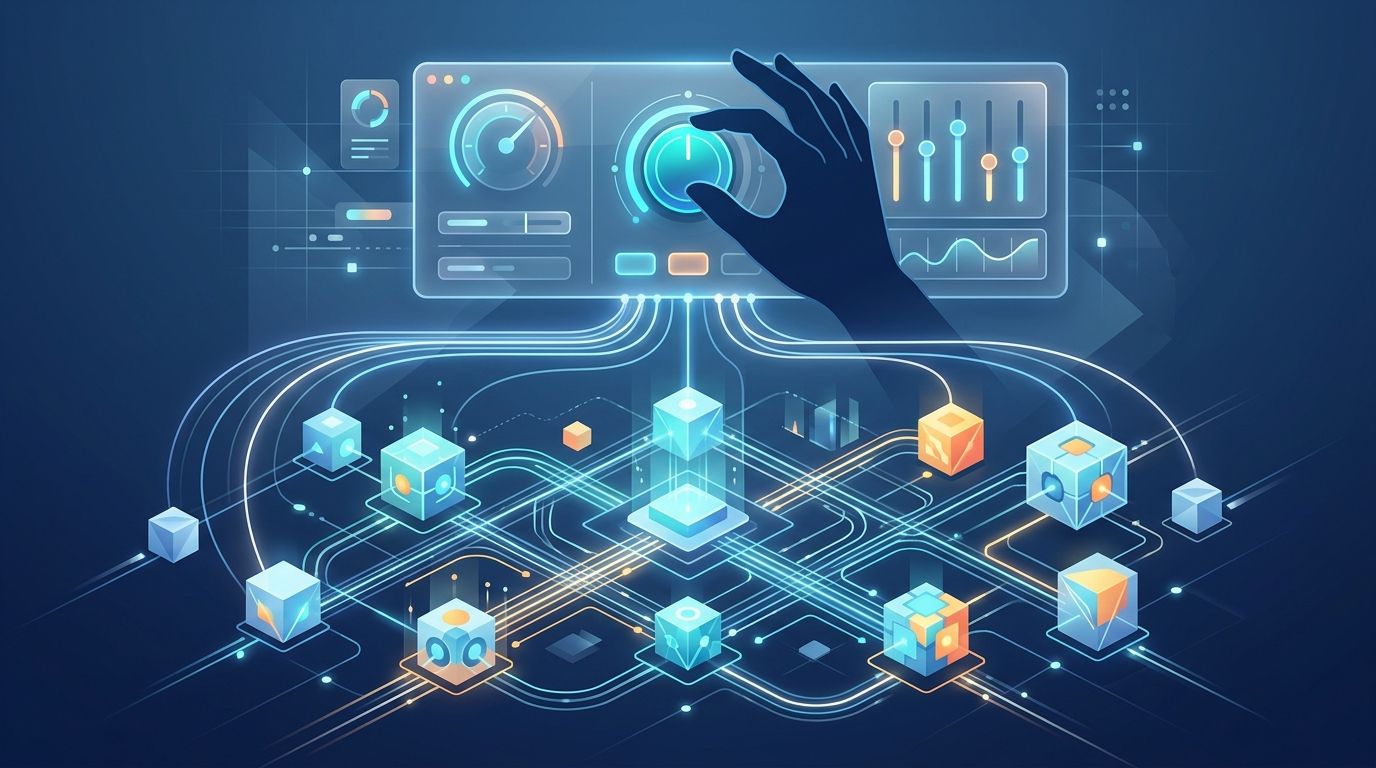
As AI agents become more deeply embedded in our personal and professional lives, robust governance and control mechanisms are not just beneficial—they are essential for safety and peace of mind.
- Configurable Autonomy Levels: Implement systems that allow you to define how much independence your agent has. This could range from full human oversight (human-in-the-loop) to continuous monitoring with human intervention only on exceptions (human-on-the-loop), or even full autopilot with robust monitoring.
- Real-Time Monitoring and Logging: Keep track of your agent's activities. Effective deployments mix policy enforcement, behavior monitoring, and restrictions on tool/API access to detect anomalies and ensure least-privilege access.
- Guardian Agents: Consider specialized "guardian agents" that supervise, validate, and control the actions of other AI agents in real time. These can inspect what an agent is doing, evaluate if it aligns with your policies, and allow, modify, or block actions before they execute.
- Security Measures: Be aware of emerging threats like "AI Agent Traps," where malicious web content could manipulate or exploit autonomous agents. Layered technical defenses, including runtime content scanners and preventative output monitoring, are crucial.
- Clear Accountability: Establish clear accountability for the agent's actions and ensure mechanisms are in place to trace decisions and understand outcomes.
The myHermy Advantage: Empowering Your Personal AI Co-Worker
This shift towards autonomous AI co-workers is precisely why myHermy was built. We provide the dedicated infrastructure and control necessary for you to run your personal AI agent with confidence and maximum productivity.
- Complete Control and Data Ownership: With full root/SSH access and complete data ownership on your dedicated VPS, you have the ultimate control over your AI co-worker. This allows you to implement granular oversight, configure custom guardrails, and ensure your data remains yours, addressing critical trust and security concerns.
- Uninterrupted Performance: Running a truly autonomous AI agent that performs complex, long-running tasks requires dedicated resources. Our VPS ensures your agent has the compute power it needs to operate continuously and efficiently, without being throttled or interrupted.
- Seamless Integration with Your Preferred Models: myHermy lets you connect existing subscriptions like ChatGPT Plus, Claude, GitHub Copilot, or Grok. This means you can leverage the cutting-edge intelligence of these powerful models as the "brain" of your personal co-worker, while myHermy provides the robust, autonomous environment for it to act.
- Always-On Accessibility: Your personal AI co-worker on myHermy is always-on and reachable through Telegram, WhatsApp, Discord, Slack, and email. This ensures your agent is integrated into your daily communication and workflow, ready to assist or act whenever needed.
- Peace of Mind with Daily Backups: For agents managing critical information or automating important workflows, reliability is key. Daily backups provide a safety net, ensuring your agent's state and data are protected.
Conclusion: The Future is Collaborative and Autonomous
The evolution from AI co-pilots to autonomous co-workers represents a monumental leap in artificial intelligence. These agents have the potential to significantly enhance personal productivity, streamline complex processes, and free up human creativity by handling tasks with unprecedented independence.
Embracing this new dynamic requires more than just adopting new tools; it demands a re-evaluation of our relationship with technology. By understanding their capabilities, learning to delegate effectively, building trust through transparency, and implementing robust oversight, you can transform your personal AI agent into an invaluable co-worker. Platforms like myHermy empower you to run these agents securely and with complete control, ushering in an era of truly personal and powerful AI collaboration.